Family and dating culture
What Is Filial Piety? Respecting Traditional Asian Families
Family approval is often part of a serious relationship conversation. The most useful approach is not performance-it is calm curiosity, good listening and respect for the people who matter to her.
Her Family Is Not an Obstacle, It Is the Context
A warm introduction begins with respect for the relationships already in her life.
For many people, a partner meeting the family signals that a relationship has become serious. It can be an opportunity to understand her history and priorities, not a test you must somehow pass. Families commonly want to know the person their daughter has chosen.
That context matters, but it should never turn a woman into a cultural checklist. Family closeness may shape decisions, communication and timing, while personality and household expectations remain individual. Start with an honest conversation on our Asian dating community: ask what the visit means to her, who will be there and what would help her feel supported. Listening to her guidance is more respectful than arriving with rehearsed assumptions.
What Is Filial Piety?
Filial piety is the idea that care, gratitude and respect toward parents and older relatives are important responsibilities. In dating, it can help explain why a woman considers family views seriously, but it does not tell you what she wants or make her choices any less her own.
How It Can Appear in Daily Life
Respect may show up through regular calls, practical help, shared meals or attention to an elder’s comfort. These habits can be affectionate and ordinary rather than signs that every decision is controlled by relatives. Notice what matters in her own family before interpreting it through a broad cultural label.
How It Can Shape Dating Decisions
A serious relationship may be discussed with parents earlier than you expect, especially when marriage, distance or future plans are involved. Cultural context can clarify that care, but cannot predict her answer. Ask how she balances family input with her own preferences, and accept the answer without pressure.
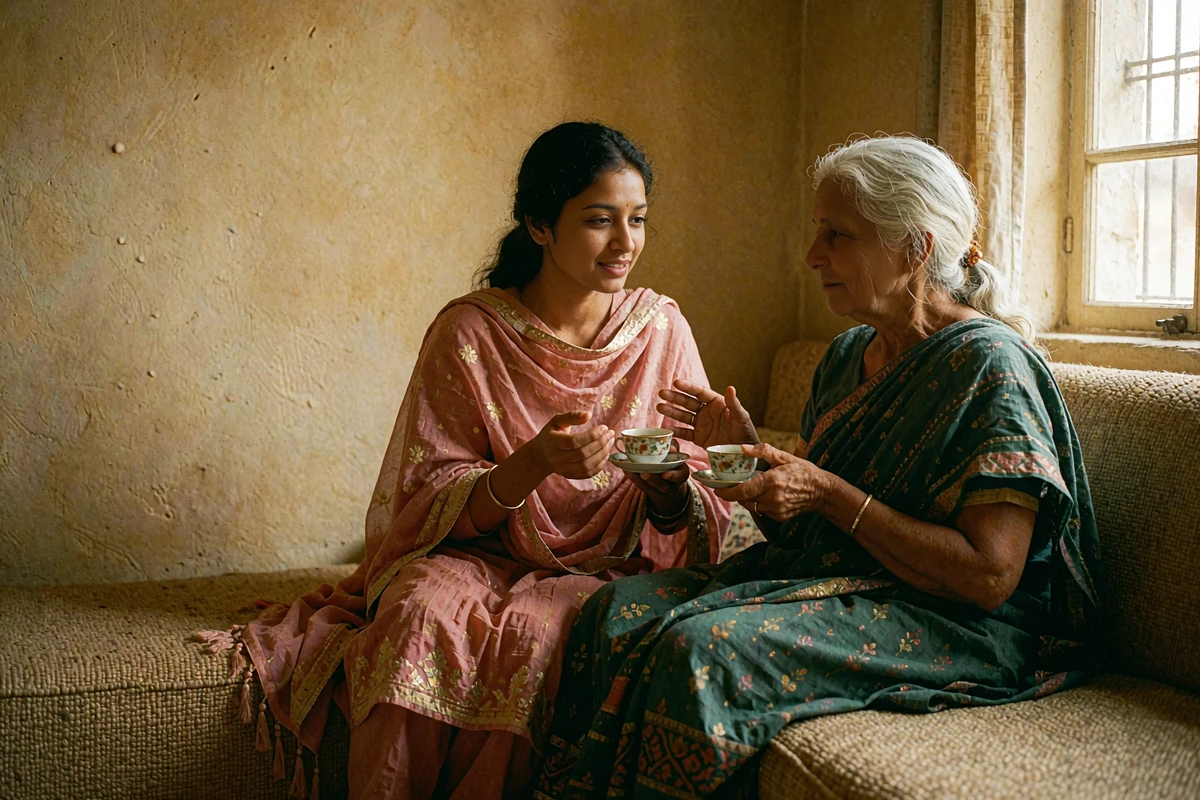
How Families Shape Relationship Decisions Across Asia
Family involvement varies by household, not by nationality. Broad regional patterns can offer context, yet they are starting points for conversation rather than rules about an individual woman or her parents.
In many South Asian families, assisted introductions are one possible path: relatives help make an initial connection, while the two people decide whether to continue. In other families, introductions happen only after a relationship is already established. Career stability, religious practice, location and long-term goals may all become part of the conversation, but their importance differs from one family to the next.
Here is where it gets interesting: thoughtful questions show more maturity than showing off prior research. Ask what kind of relationship her family has with dating, whether there are topics to avoid and how formal the first meeting should feel. A country guide can support preparation, but her perspective is the only reliable guide to her family.
Meeting Her Parents, Step by Step
A first meeting goes best when it is guided by her preferences, not by a rehearsed performance. Prepare thoughtfully, then leave space for a real conversation.
Ask Her First
Ask who will attend, how formal it is and what she would appreciate. Her advice matters more than a generic list of dating rules.
Arrive Prepared
Dress with care and bring a modest, thoughtful item if she says it is welcome. Preparation should feel considerate, never theatrical.
Show Deference
Listen more than you speak, follow her lead on greetings and show genuine interest in the people and stories that shaped her.
Follow Up
Thank her and her family afterwards, then ask how the visit felt. Consistent courtesy after the meeting matters more than one polished evening.
Five Ways to Show Genuine Respect for Elders
Respecting elders in Asian culture is best approached as attentive behavior rather than a fixed script. These five habits leave room for personal preference while showing care in a first family setting.
Follow her lead on greeting order
Ask beforehand how she would like to introduce you and who should be greeted first. A brief, warm greeting and correct names are usually more meaningful than trying to imitate a gesture you do not understand.
Receive food and hospitality graciously
If a meal is offered, acknowledge the effort behind it. Ask about a dish, accept guidance on serving customs and be honest about dietary restrictions early rather than silently declining something with no explanation.
Choose modest, attentive self-presentation
Dress appropriately for the setting she describes and arrive on time. The goal is not to look like someone else; it is to communicate that you understand the occasion matters to her and took care with it.
Avoid turning the table into a debate
Difficult subjects may arise, but a first dinner is rarely the place to win an argument. Ask a sincere question, share your view without force and allow your partner to decide when a deeper conversation belongs in private.
Be consistent after the visit
Courtesy is more credible when it continues. Keep communicating clearly with your partner, follow through on plans and treat family references with care. Long-term reliability says more than an elaborate first impression ever can.