Culture journal
How to Use Chopsticks Correctly: Dining Etiquette Masterclass
Thoughtful table manners are less about performing perfection and more about noticing the people, pace and traditions that make a shared meal feel welcoming.
The Table Is Where Attention Speaks Louder Than Vocabulary
A shared meal is not a test. It is a chance to be present.
Early meals can carry unusual weight because they reveal how two people handle attention, generosity and small moments of uncertainty. Knowing a few dining customs can make a cross-cultural date feel easier, but the goal is not to imitate a guidebook. It is to listen, observe and make room for your companion’s preferences.
Across Asia, table customs differ by country, city, household and generation. A woman may follow a family ritual closely, adapt it casually, or prefer a restaurant style shaped by years living elsewhere. The most useful preparation is flexible curiosity. Our Asian dating community encourages introductions that begin with the individual, not assumptions attached to her background.
Here is the practical takeaway: arrive ready to learn, let your date guide the setting when she knows it better, and treat a minor misstep as an opportunity for warmth rather than embarrassment.
How to Use Chopsticks Correctly
To use chopsticks correctly, keep the lower stick steady against the base of your thumb and move only the upper stick with your thumb, index and middle fingers. When you pause, place both sticks on the provided rest or neatly beside your bowl rather than leaving them balanced across shared dishes. A relaxed, respectful approach matters more than a flawless grip.
What to Do
Pick up food gently, use serving utensils when they are available and follow the pace of the table before reaching for a shared plate. If a dish is unfamiliar, asking what it is can be more considerate than pretending expertise. In a casual meal, your host may simply invite you to enjoy yourself-accept that reassurance gracefully.
What Not to Do
Avoid using chopsticks as drumsticks, spears or pointers. Do not rub disposable sticks together unless there is a genuine rough edge, as the gesture can imply poor quality. Most importantly, do not turn etiquette into a performance. A sincere apology and an easy smile are usually better than becoming anxious over every movement.
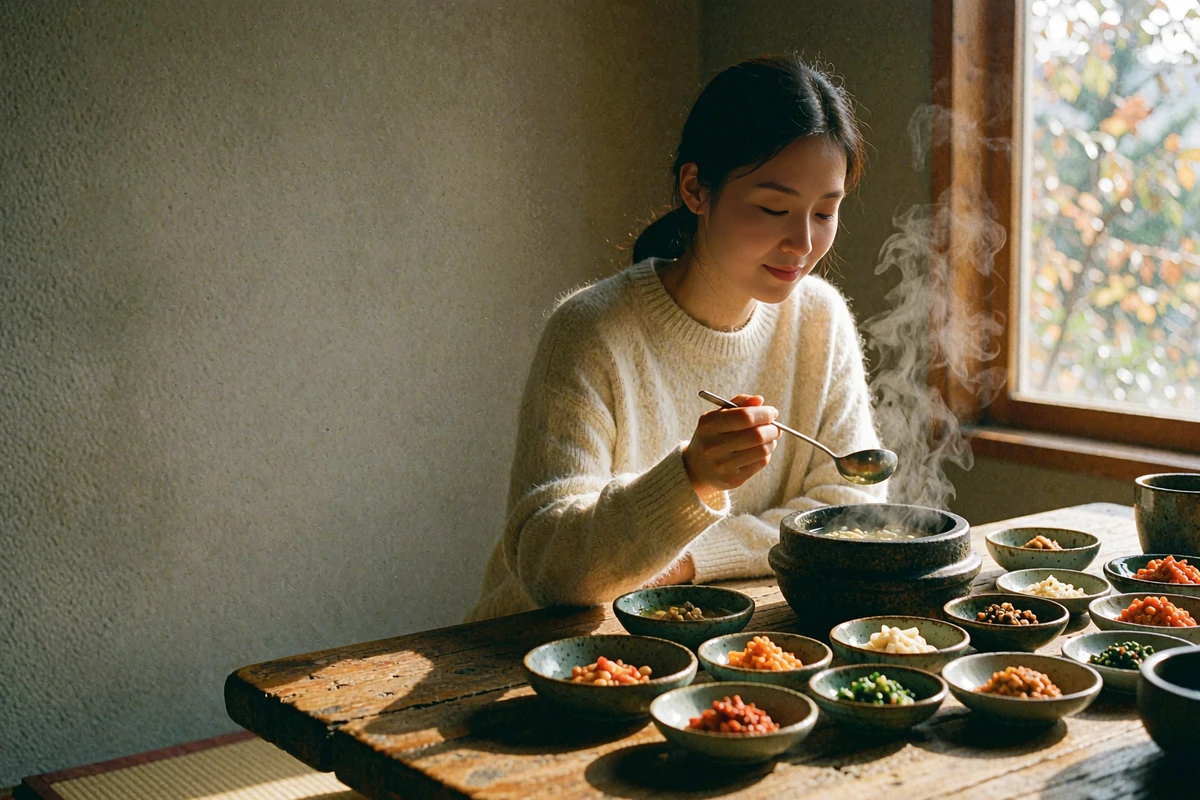
China, Korea and Vietnam: Same Utensils, Different Rules
China, Korea and Vietnam share some familiar dining tools, yet the meaning of a gesture can vary. Regional etiquette offers helpful context, not a script for predicting any one person. A considerate date notices the household, restaurant and companion in front of him before deciding which custom applies.
China: Shared dishes and serving awareness
Chinese meals often center on dishes placed for the group. Some settings provide communal serving spoons or chopsticks; when they do, use them. In more informal situations, observe how others serve themselves and follow the host’s lead. On a Chinese dating introduction, asking whether a dish is meant for sharing can be an easy, respectful conversation opener.
Korea: Spoon and chopsticks together
Korean table manners commonly include both a spoon and metal chopsticks. Rice and soup are often handled with the spoon, while chopsticks are used for side dishes. Family settings may place particular attention on elders beginning first, but preferences can differ widely. For a Korean dating conversation, following your date’s lead is more useful than memorizing a rigid order.
Vietnam: bowls, balance and hospitality
Dining etiquette in Vietnam can include shared dishes, individual rice bowls and an inviting rhythm of offering food around the table. The details vary between homes and regions. If you are exploring Vietnamese dating, accept guidance with appreciation and remember that hospitality is often about making guests comfortable, not grading their technique.
How a Shared Meal Unfolds
A relaxed dinner usually moves through a few simple social cues. Watch first, ask when useful and let the person who knows the setting guide decisions that matter.
Seating and Elders
Wait for a cue before choosing a seat in a family setting. If elders are present, observe whether the group waits for them to begin.
Pouring and Serving
Offer help lightly rather than taking over. A simple “Would you like some?” leaves room for your companion to explain what feels natural.
Pacing the Meal
Match the table’s rhythm. Slowing down enough to talk, taste and listen is often more meaningful than rushing toward the next course.
Settling the Bill
Payment expectations vary. Offer clearly, then accept an answer without turning the moment into a contest over generosity or independence.
Five Mistakes to Avoid at the Table
Good etiquette is usually quiet and responsive. These five habits can help you avoid making a shared meal feel more formal or uncomfortable than it needs to be.
Sticking chopsticks upright in rice
In several East Asian contexts, upright chopsticks in a bowl can resemble ritual offerings. Rest them on a holder or beside the bowl instead. If you did not know, simply adjust without making the moment bigger than it is.
Passing food chopstick to chopstick
Passing food directly from one pair of chopsticks to another may recall funeral practices in Japan and other cultural contexts. Put the food on a small plate or use a serving utensil when one is available.
Pointing or gesturing with utensils
Using chopsticks to point, wave or emphasize a story can feel careless around a shared table. Set them down when speaking with your hands. The adjustment is simple and keeps attention on the conversation rather than the utensils.
Over-rehearsing etiquette
Preparing is useful, but over-preparing can make you miss the actual person across the table. An internet checklist cannot anticipate every household. Ask a sincere question when you are unsure instead of trying to demonstrate expertise.
Assuming one country’s rule applies everywhere
“Asian dining etiquette” is not one uniform practice. Customs in Seoul differ from those in Hanoi or Shanghai, and individual preferences differ within every family. Let cultural knowledge open a conversation, not close one with a stereotype.